


← THE SCOOP
THE SCOOP

7 Things Worth Knowing About Sodium in Your Granola

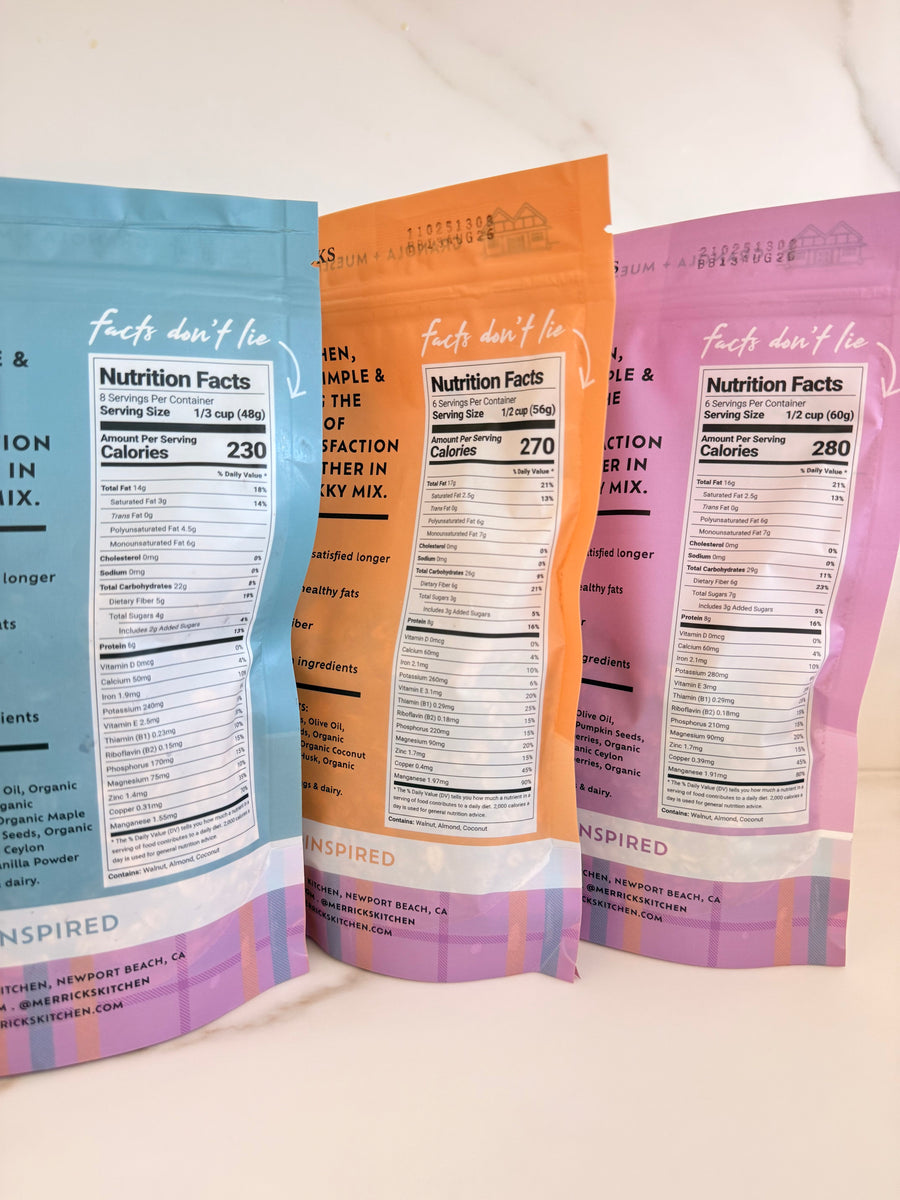
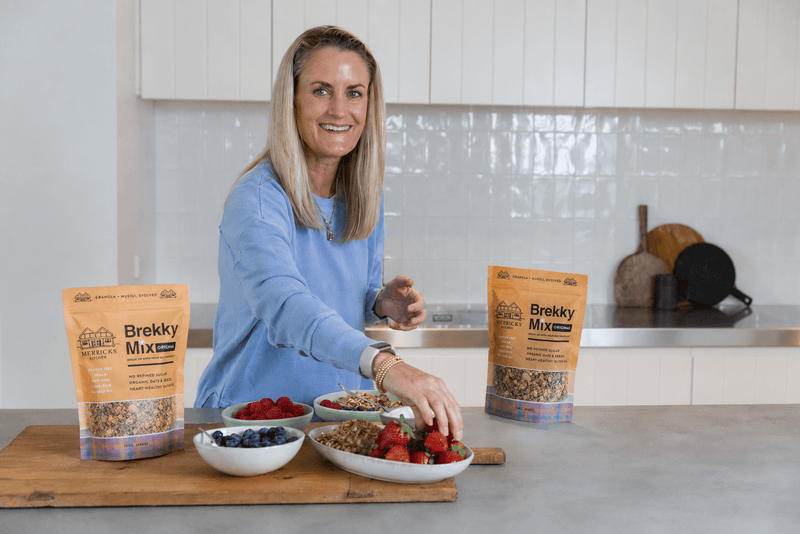
Most granola isn't sodium free, including plenty of granolas that are marketed as healthy. The FDA allows a "zero sodium" claim when a product contains less than 5 milligrams of sodium per serving. When we looked at more than 50 granola and muesli products, only 10 met that standard. Brekky Mix Original, With Fruit, and Choc Chip all show 0mg sodium on their FDA-compliant nutrition panels. We didn't achieve that by taking salt out of an existing recipe or replacing it with something else. Salt was simply never part of the recipe. Which raises a pretty simple question: if you can make granola without salt, why does so much granola contain it?

BY Sarah Tobin
A "clean" claim doesn't tell you the whole story
01

A "clean" claim doesn't tell you the whole story

Zero sugar. Low sodium. No seed oils.

Those claims can be useful, but they don't tell you what else is in the bag.

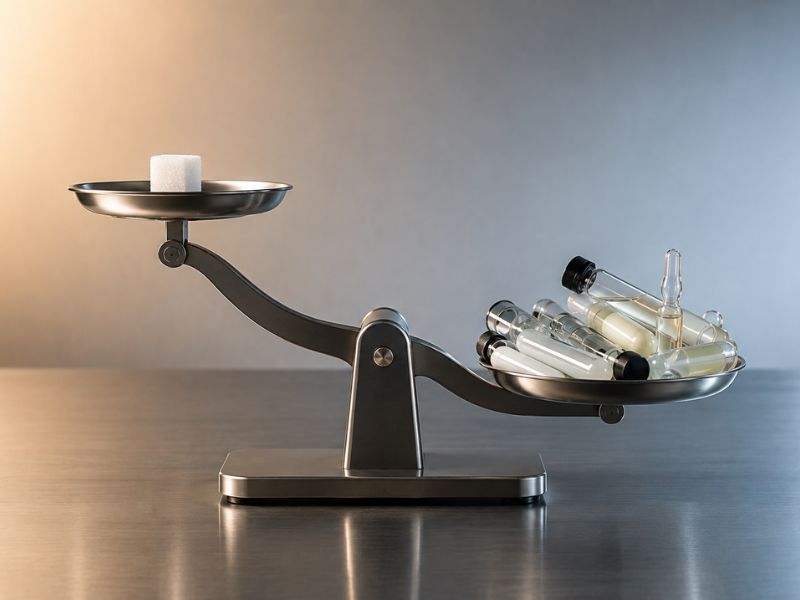
A cereal can have zero sodium and still contain a highly processed emulsifier. A granola can be low in sugar and use a highly processed sugar alternative. Looking at one number or one claim doesn't tell you much about the product as a whole.

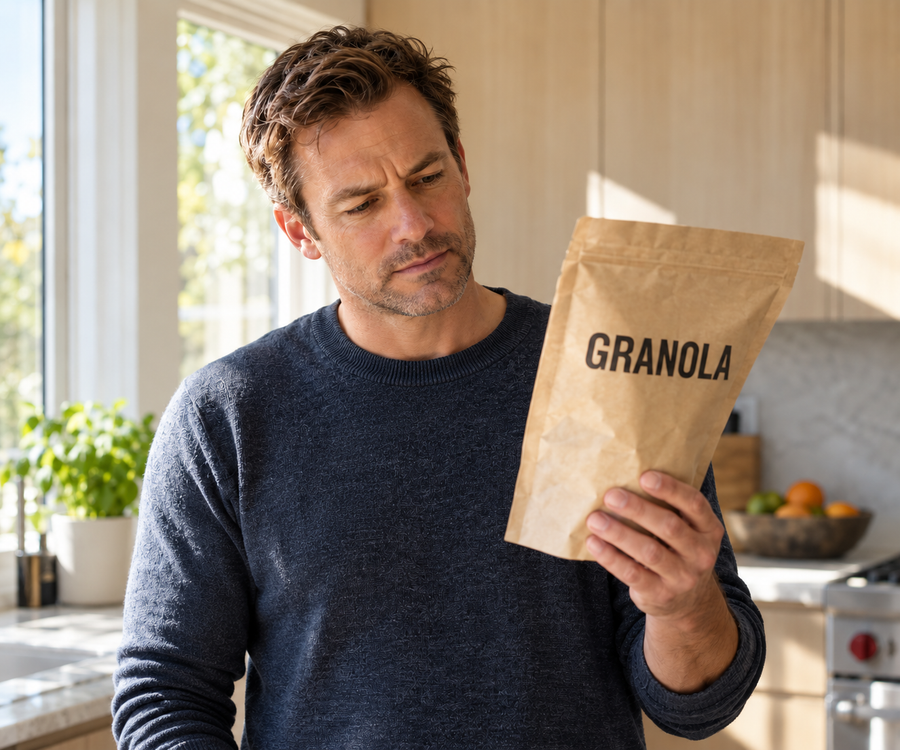
This is why I think it's worth turning the bag over and reading the ingredient list and nutrition panel, rather than stopping at the claims on the front.

And sodium is a good place to start.

You're probably eating more sodium than you realize
02

You're probably eating more sodium than you realize

The average American consumes around 3,400 milligrams of sodium a day. The American Heart Association recommends no more than 2,300 milligrams, with 1,500 milligrams a day as an ideal goal for most adults, particularly people with high blood pressure.

Most of us aren't adding up sodium throughout the day. It just comes along with the food we're already eating.

A little here, a little there, and it adds up quickly - especially if you're getting sodium from your breakfast cereal, but you didn't even think to look at the nutrition panel.

Your salt shaker probably isn't the main issue
03

Your salt shaker probably isn't the main issue

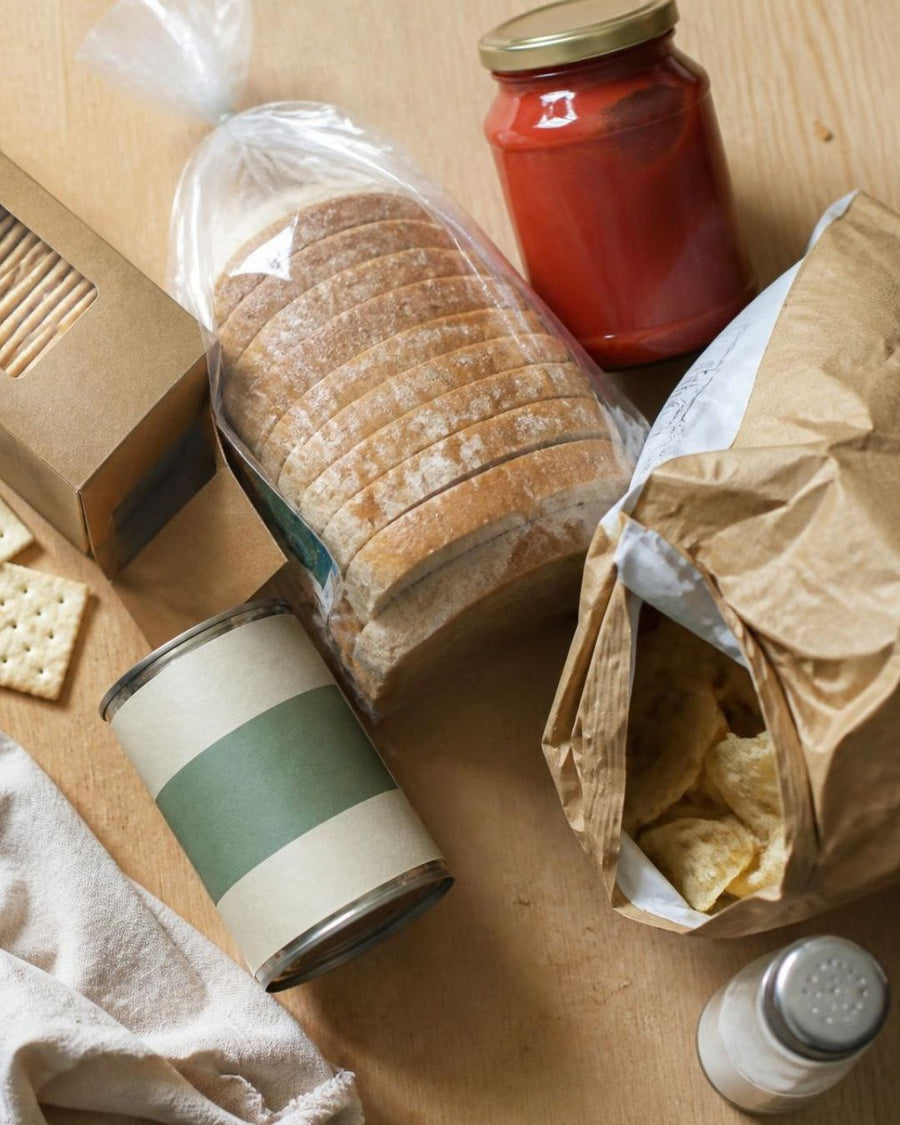
More than 70 percent of the sodium Americans consume comes from packaged, prepared and restaurant foods rather than from salt added at home.

That's one reason breakfast is worth looking at. Foods that seem like fairly wholesome choices can still contribute sodium before you've even made it to lunch.

And because you don't necessarily taste it, it's easy to overlook.

"Zero sodium" is an FDA-regulated claim
04

"Zero sodium" is an FDA-regulated claim

"Zero sodium" isn't just a phrase a food company can put on a package because the number sounds good.

Under FDA labeling rules, a product has to contain less than 5 milligrams of sodium per labeled serving to make a sodium-free or zero-sodium claim.

So when you see 0mg on a nutrition panel, there is an actual standard behind that number.

Most granola isn't anywhere near zero
05

Most granola isn't anywhere near zero

We looked at more than 50 granola and muesli products and normalized the servings to a half cup so we could make a reasonable comparison.

Only 10 came in at zero sodium under the FDA threshold.

Most of the others fell somewhere between 50 and 270 milligrams per serving.

That may not sound like much compared with the entire day's recommended intake, but it's still sodium in a food you may not expect to contain much of it in the first place.

Which brings me back to the question I had when we started looking at this:

Why is there salt in granola at all?

So what is the salt actually doing?
06

So what is the salt actually doing?

There are a few things going on in a traditional granola recipe.

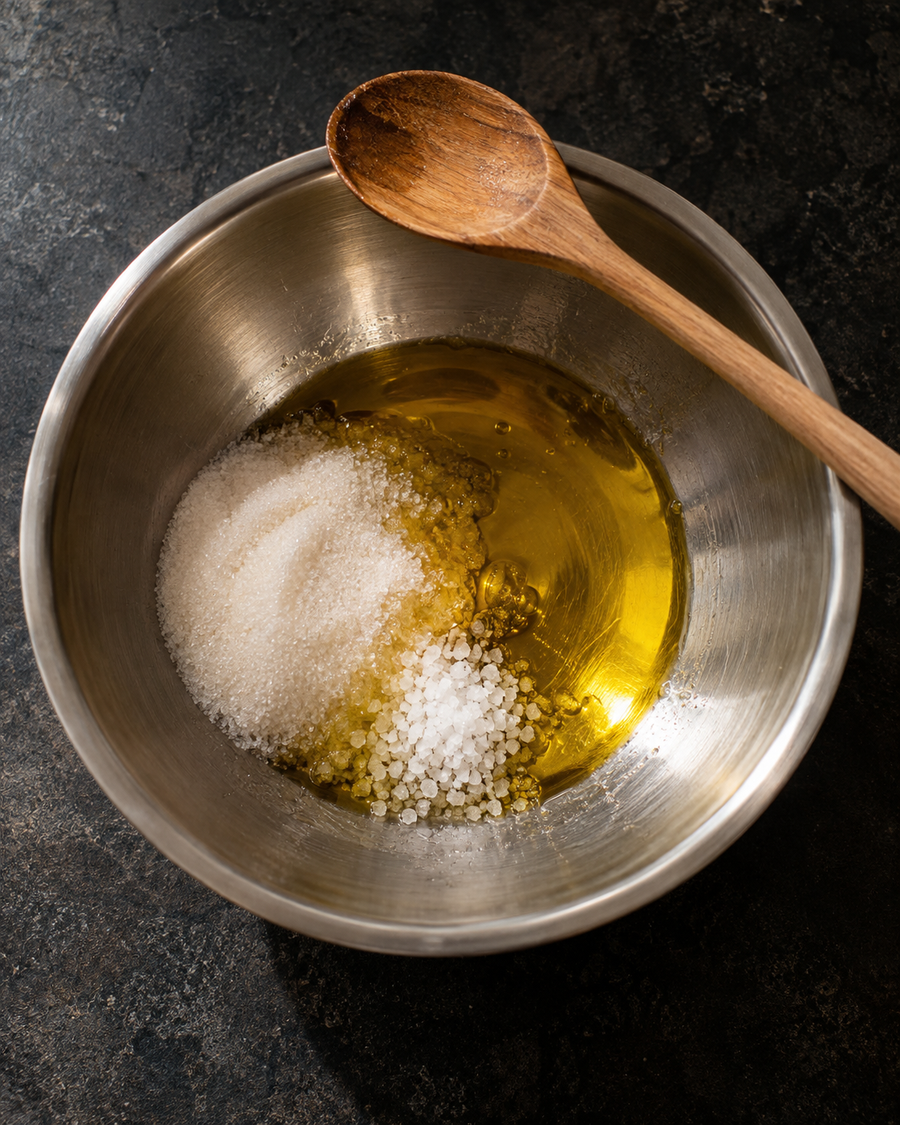
Honey, maple syrup and cane sugar don't just make granola sweet. They also help create the texture. When those sugars are heated, they coat the oats and other ingredients and help them stick together. As the granola cools, you get those crunchy clusters.

Sugar also helps with shelf stability by binding water and lowering water activity.

But there's a downside. When you use enough sugar to create that texture and keep the product shelf stable, the granola can become very sweet.

That's where salt can come in.

Salt can make sweetness taste less aggressive. In a very sweet, rich granola, it can make the whole thing taste more balanced.

There's a term used in food science for the combination of sugar, salt and fat that can make foods especially appealing: the "bliss point." The concept was developed by researcher Howard Moskowitz and has been widely discussed in relation to processed foods.

I'm not suggesting that every granola containing salt was designed around a bliss point. There are plenty of perfectly ordinary reasons a food manufacturer might use salt.

But when you look at the recipe as a whole, it makes sense that salt often shows up alongside higher levels of sugar and fat.

If you don't need as much sugar to create the texture in the first place, you don't have quite the same reason to use salt to balance all that sweetness.

Why Brekky Mix has none, straight from my kitchen
07

Why Brekky Mix has none, straight from my kitchen

Before Brekky Mix became a business, it was something I made at home for my family and friends.

Salt was never in the recipe.

I've made homemade granola for years, and I honestly never thought to add it. High blood pressure runs in my family, so I'm conscious of how much sodium I eat, but the bigger reason is that I never felt the recipe needed it.

There is plenty of flavor without it.

We use extra virgin olive oil, organic Ceylon cinnamon and organic Madagascar vanilla, and we take the time to properly toast the nuts and seeds. Those ingredients give the granola plenty of flavor on their own.

So there wasn't a moment when we had to figure out how to make Brekky Mix without salt.

We just didn't put it in.

That's an important distinction to me. We didn't reformulate the product to remove sodium after the fact, and we didn't replace salt with another ingredient to make up for it.

It was never there.

What this means for your next bowl

Brekky Mix Original, With Fruit, and Choc Chip all confirm 0mg sodium on their FDA-compliant nutrition panels, no exceptions across the line. If you're watching your sodium intake for blood pressure or heart health, that's one less thing to calculate before breakfast. And if a "healthy" claim on any other product catches your eye, ours included, it's worth turning the bag over and checking what else might be hiding behind it.

[Shop zero sodium granola →]


Sources referenced: 

American Heart Association, "How Much Sodium Should I Eat Per Day?" https://www.heart.org/en/healthy-living/healthy-eating/eat-smart/sodium/how-much-sodium-should-i-eat-per-day

U.S. Food and Drug Administration, 21 CFR § 101.61, https://www.ecfr.gov/current/title-21/chapter-I/subchapter-B/part-101/subpart-D/section-101.61

National Institutes of Health (PMC), "Addressing the sugar, salt, and fat issue the science of food way," https://www.ncbi.nlm.nih.gov/pmc/articles/PMC6550161/

“What's in your pantry is what you'll eat. Make sure it's the good stuff.”
The only pantry rule you need

Brekky mix contains zero sodium

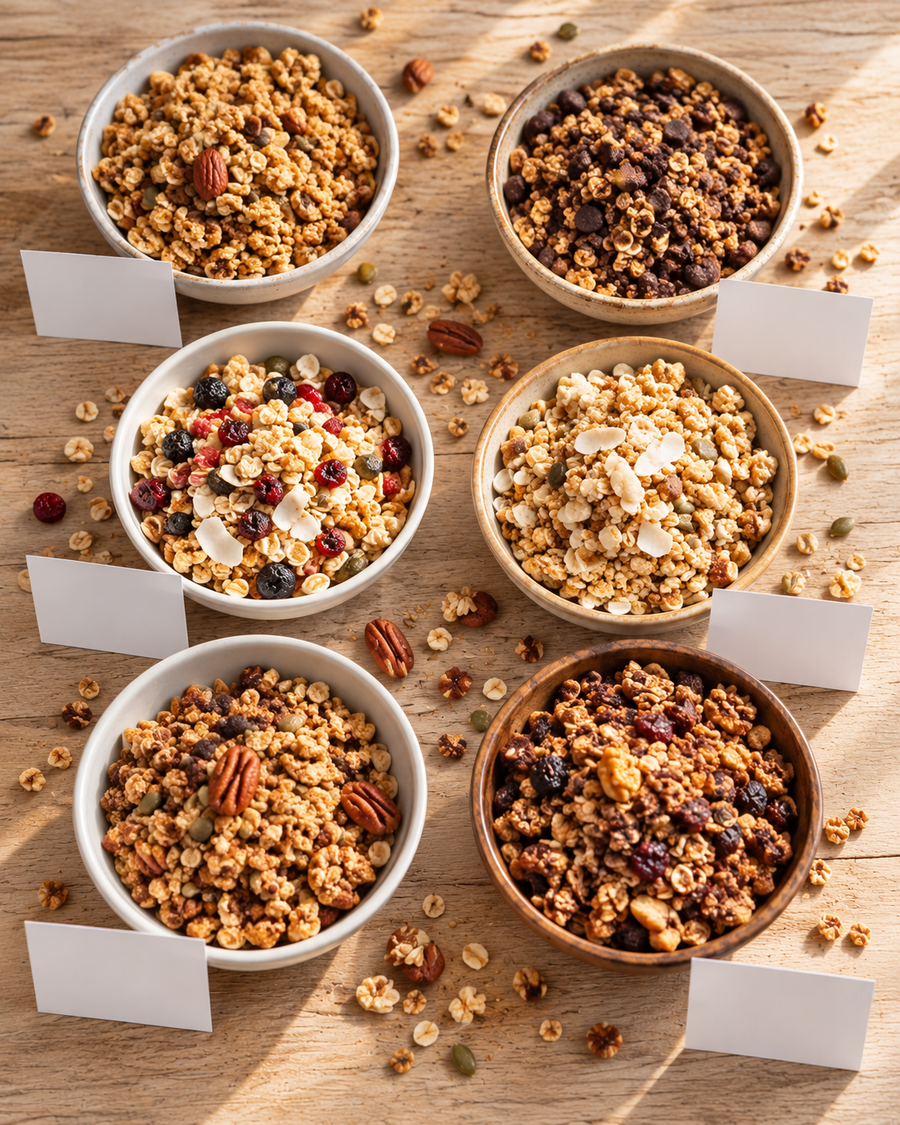
Try all three Brekky Mix flavors, zero sodium, and clean ingredients you will recognize. Save 10%, and have breakfast handled for weeks. Free shipping over $45.

SHOP THE VARIETY PACK →
★★★★★ 5.0 FROM 21 VERIFIED REVIEWS